
How to Choose the Right Windows for Your Home in the UK (Complete 2026 Guide)

If you want a straight answer without overthinking it, most UK homeowners end up choosing between two main options:
- uPVC windows → best for affordability, insulation, and low maintenance
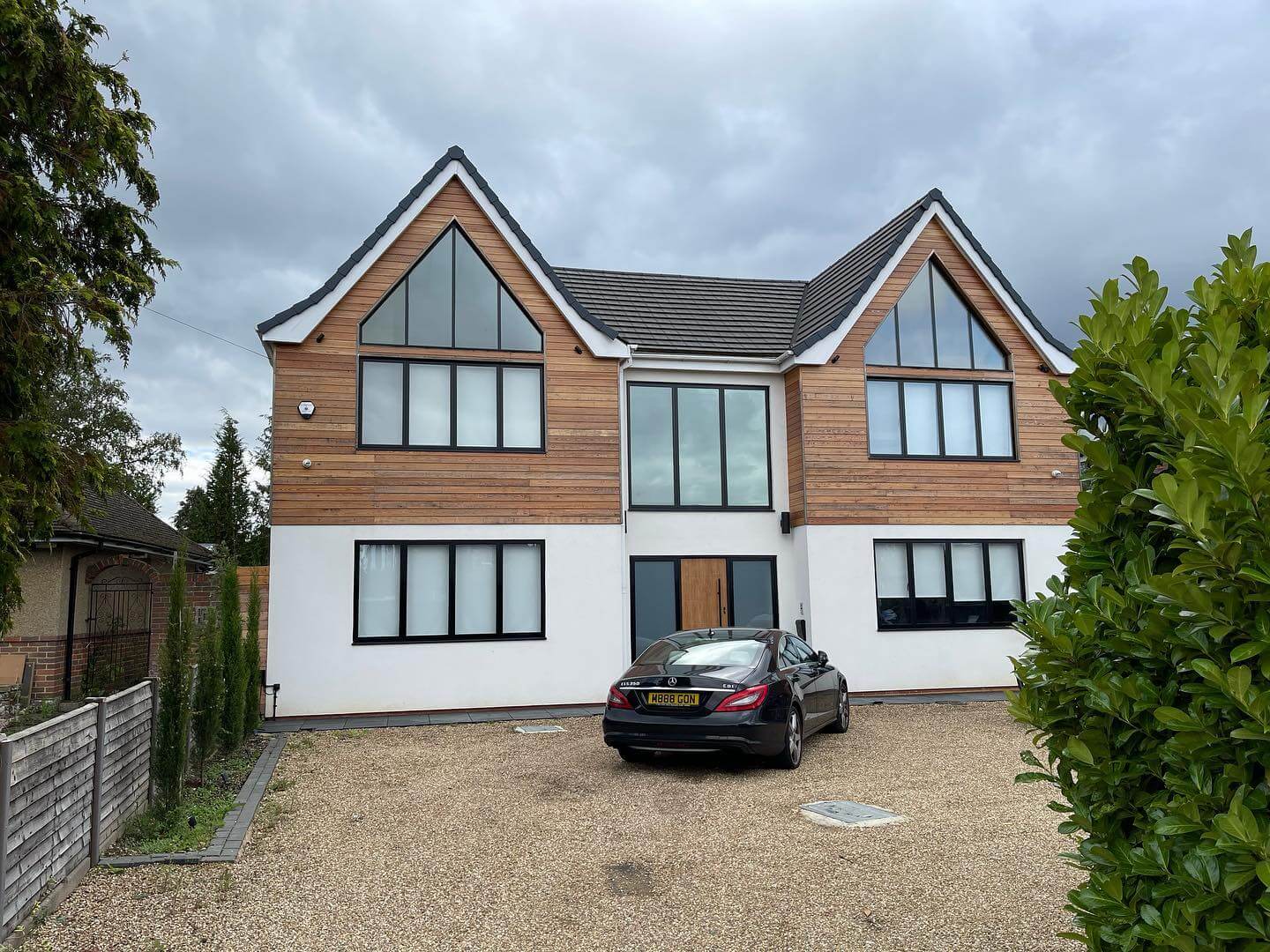
- Aluminium windows → best for modern design, slim frames, and durability
- Double glazing → standard for most homes
- Triple glazing → useful in colder or exposed properties, but not always necessary
👉 In reality, the “right” window isn’t the most expensive one — it’s the one that fits your home, your budget, and how long you plan to stay there.
Why Choosing Windows Feels More Complicated Than It Should Be
Most people start this process thinking it’ll take a couple of hours.
Then suddenly you’re comparing:
- frame materials you’ve never thought about
- energy ratings that don’t mean much at first
- quotes that vary by thousands for what looks similar
And at some point, it just becomes frustrating.
What most homeowners actually want is simple:
- a warmer home
- lower energy bills
- something that looks right
That’s it.
The problem is, a lot of glazing advice online doesn’t really explain things in a practical way. So let’s break it down properly.
Types of Windows (What They’re Actually Like to Live With)
Instead of focusing on technical features, it’s easier to think about how these windows behave in real life.
Casement Windows
These are the standards across the UK, and honestly, they’re hard to go wrong with.
They open outward, don’t take up internal space, and give you solid ventilation without much effort.
From what we see on installs, casement windows are still the default choice for most homes, especially in suburban areas.
If you’re unsure, this is usually the safest option.
Sash Windows
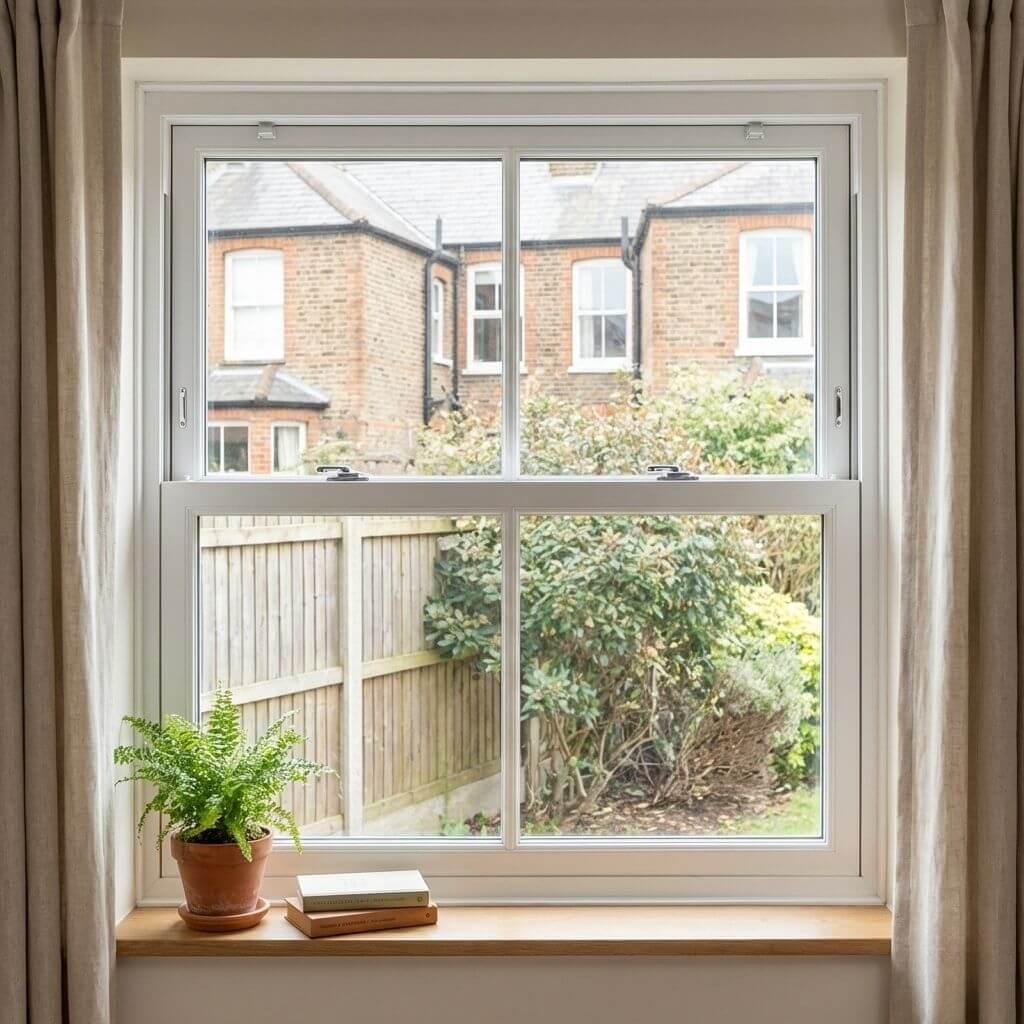
Sliding sash windows are more about character than practicality.
They suit older homes really well — especially Victorian terraces — but they need to be done properly.
We’ve seen plenty of cases where poor installation leads to:
- draughts
- rattling frames
- uneven movement
When they’re done right, they look great. When they’re not, they’re frustrating to live with.
Tilt and Turn Windows
These are more modern and a bit more versatile.
They open inward, which makes cleaning much easier — especially on upper floors.
Tilt-and-turn windows are ideal for:
- flats
- modern developments
- homes where practicality matters more than tradition
Fixed Windows
These don’t open at all. They’re mainly used to bring in light or create larger glass areas.
You’ll often see them combined with aluminium frames in newer builds or extensions.
👉 If you want a clearer breakdown of styles and where they work best, this guide helps:
Best Window Styles for UK Homes (Casement, Sash, Tilt & Turn Explained)
Window Materials: Where Most People Hesitate
This is usually the point where decisions slow down.
Because on paper, everything sounds good.
uPVC Windows
Still the most common choice in the UK — and there’s a reason for that.
They’re:
- affordable
- easy to maintain
- good at keeping heat in
Most modern uPVC windows we install achieve U-values around 1.2–1.4 W/m²K, which is a noticeable upgrade compared to older units that often sit above 2.5.
From our recent projects, around 65–70% of homeowners still go with uPVC, mainly because it does the job without pushing the budget too far.
Aluminium Windows
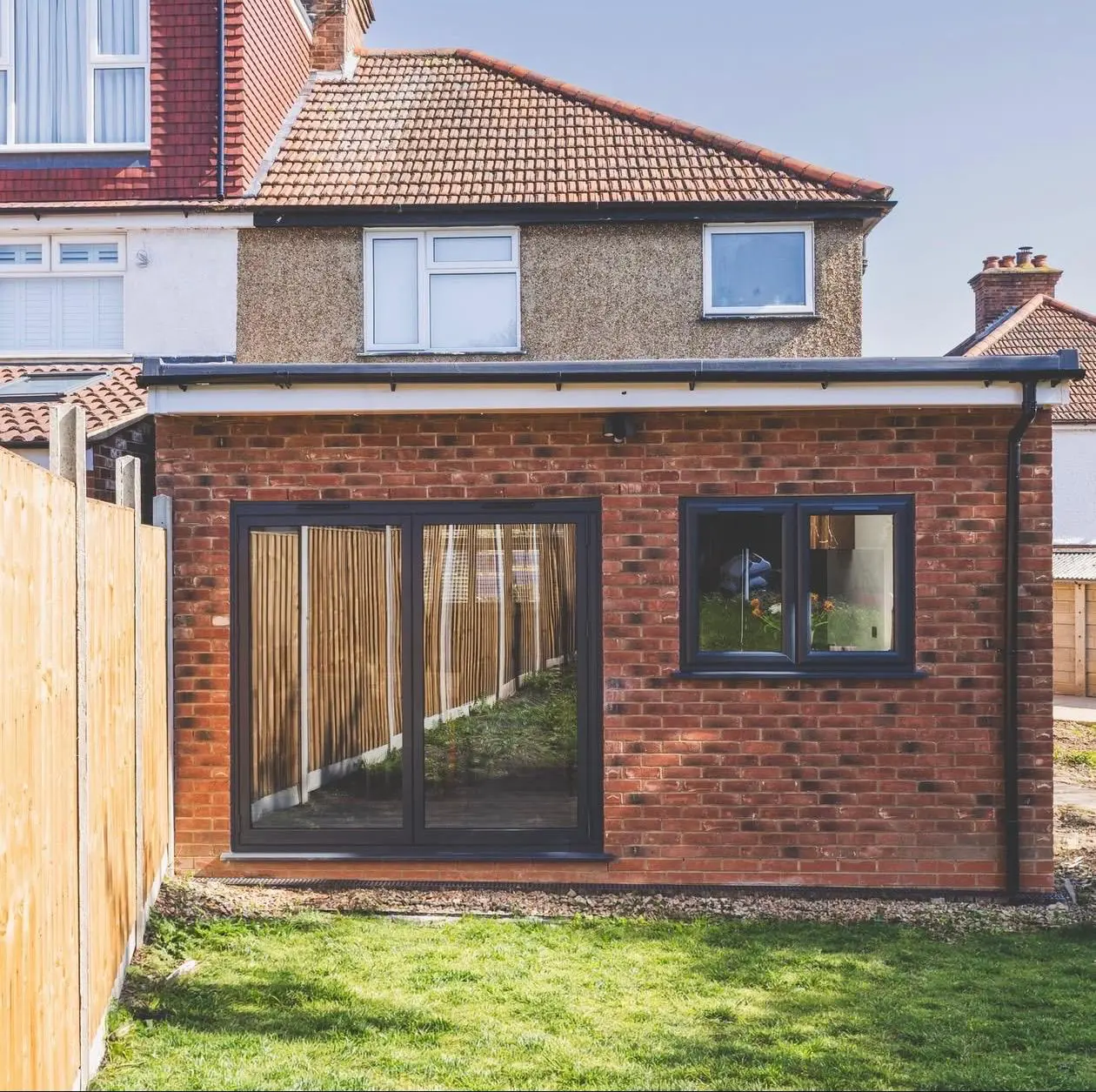
Aluminium is where things shift more towards design.
They’re known for:
- slimmer frames
- larger glass areas
- a cleaner, more modern finish
- They also last longer and are less likely to warp over time.
We’ve seen a clear increase in aluminium installations recently, especially in:
- extensions
- renovations
- newer properties
It’s not always about needing better performance — sometimes it’s just about upgrading how the house looks and feels.
Timber Windows
Timber is usually chosen when it has to be — not just because someone prefers it.
Mainly used for:
- listed buildings
- conservation areas
They look great, but:
- cost more
- require regular maintenance
👉 If you’re weighing up materials properly, this is worth reading:
uPVC vs Aluminium Windows: Which Is Better for UK Homes?
Energy Efficiency: What Actually Makes a Difference
This is where things can get overcomplicated quickly.
You’ll hear about:
- U-values
- gas-filled units
- coatings
All of that matters — but here’s the simpler truth:
👉 If your windows are old, replacing them will make a noticeable difference regardless.
We hear this all the time after installs:
“I didn’t realise how much heat we were losing before.”
Double Glazing
Still the standard in the UK. It:
- reduces heat loss
- cuts outside noise
- keeps costs reasonable
For most homes, this is more than enough.
Triple Glazing
Sounds like the obvious upgrade, but it’s not always necessary. It’s better for:
- colder areas
- exposed properties
- maximum insulation goals
But in many UK homes, the difference compared to good double glazing isn’t huge.
From what we’ve seen, the biggest improvement comes from replacing old windows, not upgrading from double to triple.
👉 If you’re deciding between the two, this breaks it down clearly:
Double vs Triple Glazing: Is Triple Worth It in the UK?
👉 And for a deeper look at performance:
What Are the Most Energy Efficient Windows in the UK?
A Real Example (This Happens a Lot)
Not long ago, we worked with a homeowner in Romford.
Standard property. Nothing unusual.
The windows were around 20 years old – still looked fine at first glance.
But:
- one room always felt slightly colder
- heating seemed to run constantly
- there was a small draught near where they usually sat
We replaced them with modern double-glazed aluminium windows.
The result wasn’t dramatic overnight… but within a few days:
- the temperature felt more stable
- the draught disappeared
- the house felt noticeably quieter
That’s usually how it goes — the improvement is subtle but consistent.
How Much Do Windows Cost in the UK (2026)?
This is where expectations don’t always match reality.
Typical installed prices:
- uPVC windows → £500 – £900
- Aluminium windows → £800 – £1,500+
- Timber windows → £1,000 – £2,000+
- For full houses, most projects fall between:
👉 £6,000 and £11,000
That’s based on what we’ve seen across recent installations in London and surrounding areas.
Anything significantly above or below usually comes down to:
- property size
- custom designs
- installation difficulty
👉 For a full breakdown without guessing:
How Much Do New Windows Cost in the UK in 2026?
When Should You Replace Your Windows?
A lot of homeowners leave it too late.
Not because the windows are broken, but because the problems build slowly.
Common signs include:
- small draughts
- rooms that never feel fully warm
- condensation inside the glass
- outside noise is becoming more noticeable
Interestingly, around 70% of people contact us because of comfort issues, not visible damage.
👉 If you’re unsure, this guide will help:
Do I Need to Replace My Windows? 7 Clear Signs to Look For
Choosing the Right Style for Your Home
Not every window suits every property.
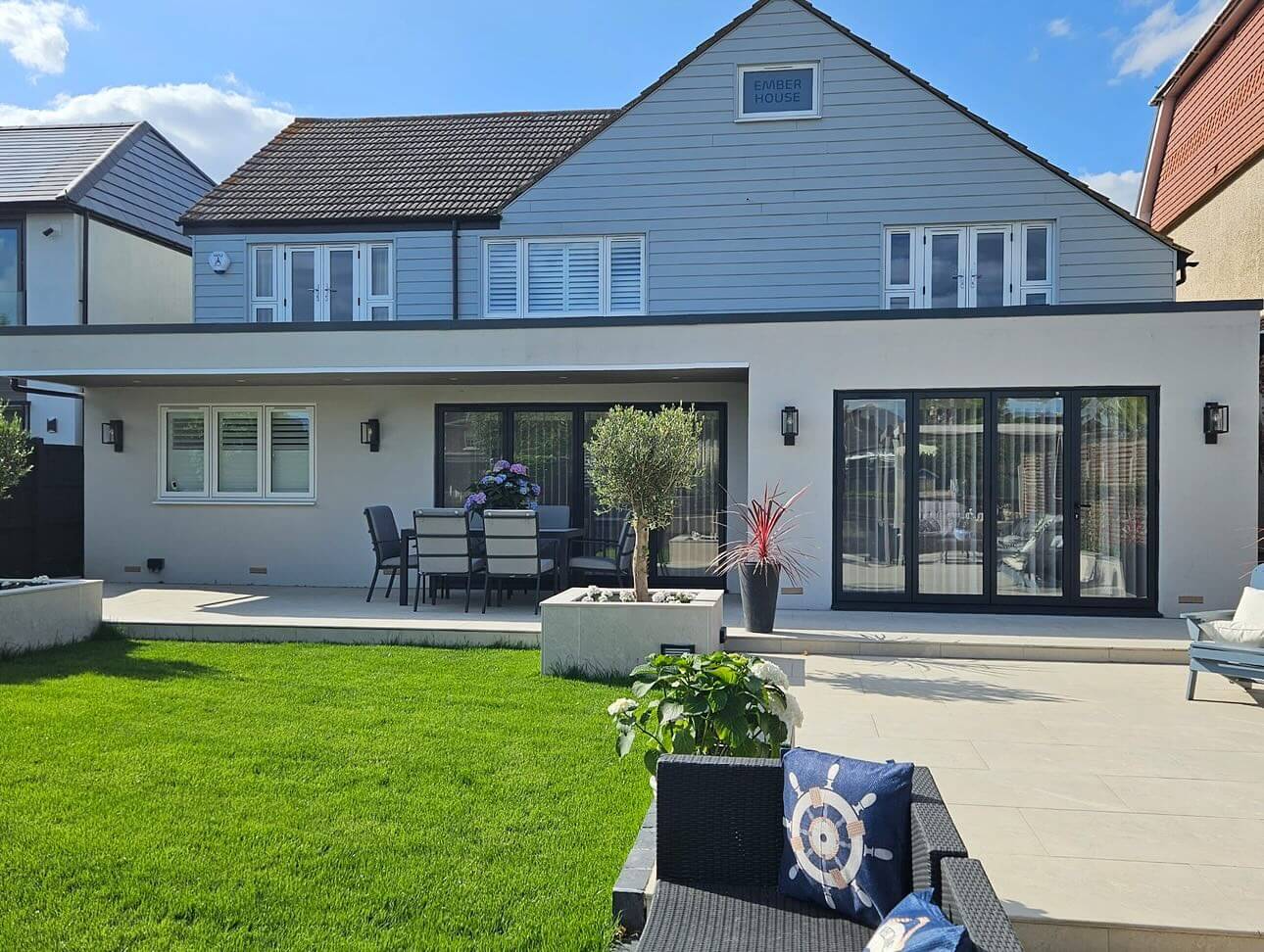
Modern Homes
- Aluminium frames
- Large glass panels
- Minimal design
Period Homes
- Sash windows
- Timber or heritage-style uPVC
Standard UK Homes
- uPVC casement windows
- Balanced cost and performance
Flats
- Tilt and turn windows
- Easier cleaning and ventilation
One of the most common mistakes we see is choosing something that doesn’t match the property — it affects both appearance and long-term value.
Are New Windows Actually Worth It?
Short answer — yes, in most cases.
But not always for the reasons people expect.
New windows can:
- improve comfort
- reduce heat loss
- lower noise
- improve appearance
The biggest difference most people notice isn’t energy savings — it’s how the house feels day to day.
👉 If you want a realistic breakdown, see:
Are New Windows Worth It? (Energy Savings, Value & ROI Explained)
Common Mistakes to Avoid
Going for the Cheapest Option. It often leads to:
- poor insulation
- shorter lifespan
- more costs later
Ignoring Installation Quality
Even high-end windows won’t perform properly if fitted badly.
Over-Upgrading
Triple glazing isn’t always worth it.
Rushing the Decision
Windows last decades – it’s worth getting it right.
Why Homeowners Choose Lux Glazing
We focus on getting the right result, not just selling windows.
- Efficient supply and installation
- Competitive pricing through direct sourcing
- Clean, precise fitting
- Advice based on real installs
Most of our work comes from homeowners who want it done properly — not rushed.
Get a Quote for Your Windows
👉 Want a fast, accurate idea of cost?
Get a quick quote and see what works for your home
FAQs
- Are uPVC windows still worth it in 2026?
Yes—they’re still the most practical option for most homes. - Are aluminium windows better than uPVC?
They’re better for design and durability, but cost more. - Is triple glazing necessary in the UK?
Not always — double glazing is enough for most homes. - How long do windows last?
Usually 15–30 years, depending on quality and installation. - Do new windows increase property value?
Yes, especially when they improve energy efficiency and appearance.
Final Thoughts
There isn’t one “best” window for every home.
The right choice depends on:
- your property
- your budget
- your priorities
Get the balance right, and you won’t need to think about your windows again for a long time.