
uPVC vs Aluminium Windows: Which Is Better for UK Homes?


When choosing between uPVC vs aluminium windows, the best option depends entirely on your project budget, thermal requirements, and aesthetic preferences. Here is the definitive breakdown:
- uPVC = Best for affordability and maximum insulation, naturally trapping heat and keeping replacement costs low.
- Aluminium = Best for modern design and structural durability, allowing for ultra-slim frames and larger expanses of glass.
Both materials are highly weather-resistant, feature advanced multi-point locking systems, and require minimal maintenance, making them the best replacement windows for UK homes in 2026.
Technical comparison: thermal efficiency and u-values
Modern uPVC naturally insulates better than standard metals, but thermally-broken aluminium performs almost identically today, with both effortlessly achieving current UK building regulation compliance.
As a professional installer managing hundreds of fittings across the country, I frequently see confusion around energy efficiency. Let’s look at the actual data. Most modern double-glazed units we install achieve U-values around 1.2 to 1.4 W/m²K. Our standard multi-chambered UPVC windows trap heat exceptionally well.
Conversely, older metal frames used to be terrible for heat loss, but the Aluminium Windows we supply today feature advanced polyamide thermal breaks. This means both options prevent cold draughts effectively. When clients ask how much new windows can save on energy bills in the UK, I point them to the fact that upgrading from old single glazing to our modern A-rated systems can save homeowners up to £200 annually.
Common insulation mistakes homeowners make
The biggest mistake I see is homeowners overpaying for heavy triple glazing to fix a cold room, while completely ignoring their uninsulated loft or unsealed doors.
I have visited countless flats where clients want to spend a fortune on top-tier frames, assuming the glass alone will fix all draughts. Another common error is neglecting frame thickness. If your brick aperture only comfortably takes a 70mm frame, trying to force a bulky, mismatched profile will ruin the interior plaster lines. Always match the glazing specification to the property’s overall thermal envelope.
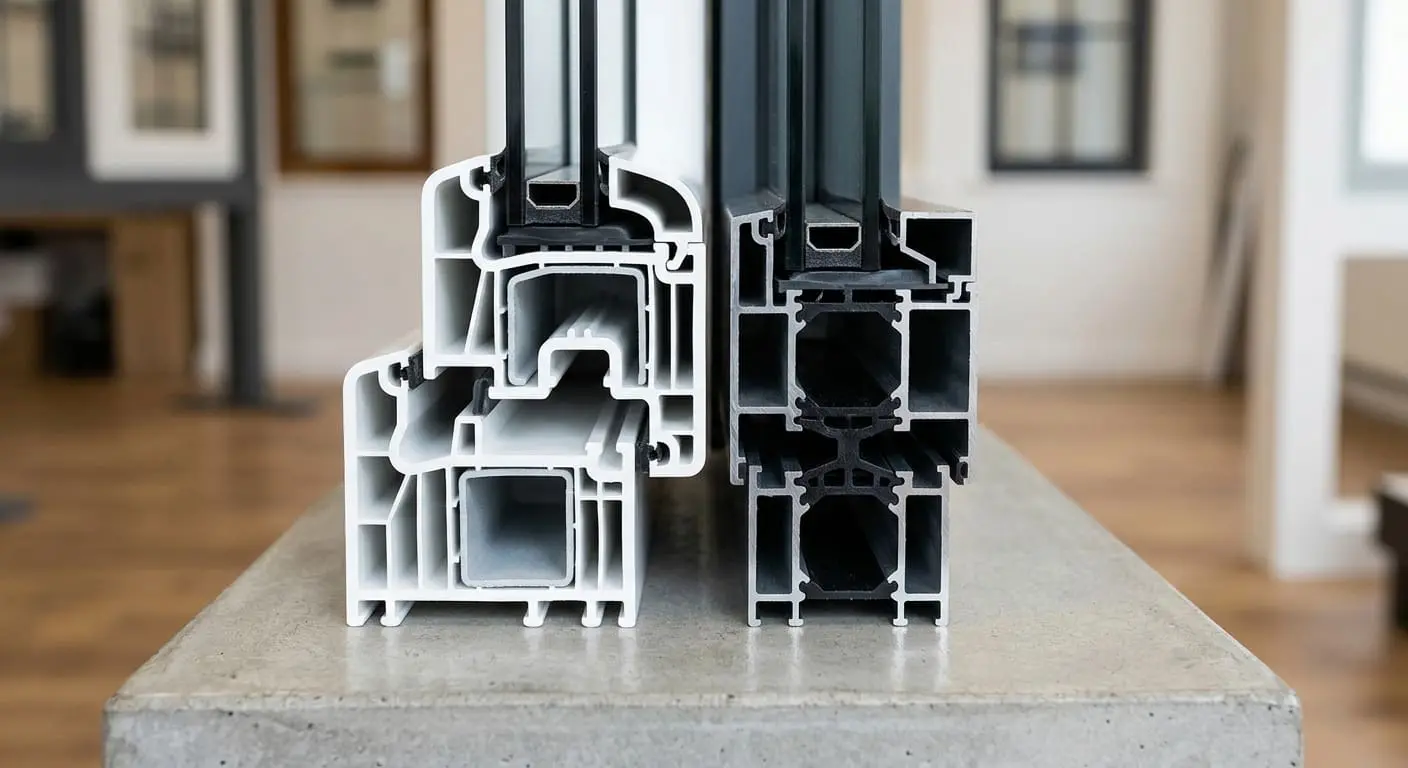
Durability and Lifespan of Frame Materials
Aluminium offers superior structural integrity and a lifespan exceeding 40 years, whereas uPVC generally lasts between 20 to 25 years before showing signs of age.
When debating uPVC vs aluminium windows, longevity is a massive factor. Aluminium is inherently stronger. This strength allows us to manufacture ultra-slim sightlines—sometimes as narrow as 45mm—which maximises the glass area and lets in more natural light. It also will not warp or expand in direct summer sunlight.
High-quality uPVC is incredibly robust and will not rot like traditional timber. However, over a couple of decades, even the best UV-stabilised plastics can subtly stiffen or lose their absolute pristine finish compared to powder-coated metal.
Real Project Insights: What UK Buyers Are Choosing in 2026
Based on our recent fitting data, roughly 70% of suburban homeowners choose standard uPVC for cost savings, while 80% of modern extensions utilise sleek aluminium frames.
From my firsthand experience on site, anthracite grey and matte black are dominating modern architectural builds. Last month, we worked with a homeowner in Essex who was struggling with cold draughts in their 1980s semi-detached house. They initially wanted aluminium for the contemporary look but had a strict renovation budget.
We guided them towards flush-sash uPVC casement windows foiled in a smooth grey finish. It gave them the sleek, modern look of metal but kept the project well under budget, completely eliminating their draught issues without overspending.
Cost Analysis and Our Direct Advantage
uPVC is significantly more cost-effective, typically coming in 30% to 50% cheaper than equivalent aluminium systems, making it the undeniable go-to for budget-conscious renovations.
The price gap in the uPVC vs aluminium windows debate comes down to raw material and manufacturing costs. Extruding and thermally breaking aluminium is a highly complex, energy-intensive process.
However, at Lux Glazing windows and doors, we keep prices highly competitive across both ranges by operating a direct-sourcing model. We cut out the showroom middlemen and focus purely on a streamlined product range, passing those wholesale savings directly to our fitting teams and, ultimately, to you.
Budgeting for a full house or flat renovation shouldn’t involve guesswork or waiting weeks for a pushy salesperson to visit your property. To give you immediate, transparent pricing based on the latest industry material rates, we highly recommend using an accurate new window cost calculator UK 2026. This intelligent tool allows you to input your exact aperture measurements and frame preferences, generating a realistic, fully fitted estimate in minutes so you can confidently plan your project without the traditional high street pressure.
| Feature | uPVC Windows | Aluminium Windows |
| Average Cost (per window) | £350 – £600 | £600 – £1,200+ |
| Expected Lifespan | 20 – 25 Years | 40+ Years |
| Frame Profile | Thicker (approx. 70mm) | Ultra-Slim (approx. 45mm+) |
| Maintenance Required | Very Low (Wipe clean) | Very Low (Wipe clean) |
| Best Suited For | Standard replacements, strict budgets | Large panes, modern extensions, bi-folds |
The Fast Installation Guarantee
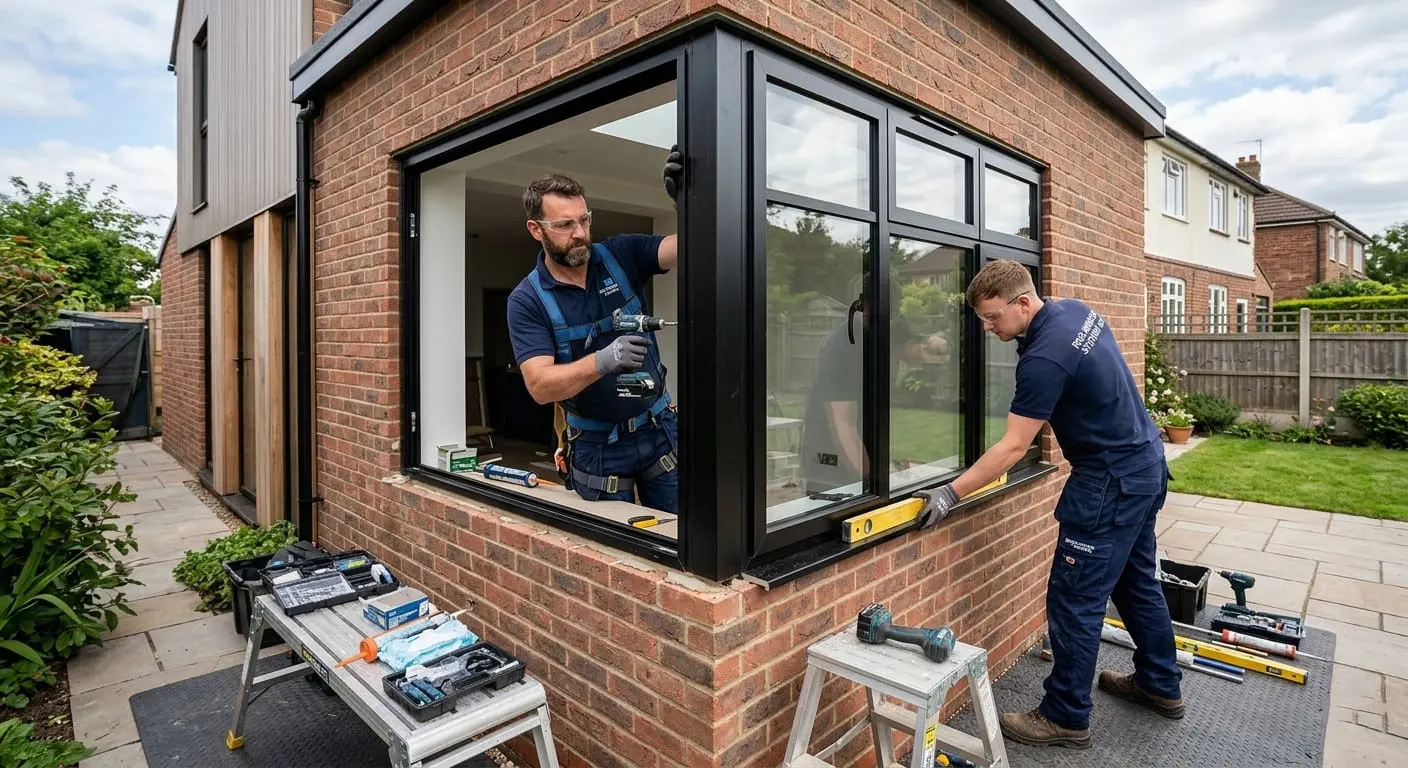
We guarantee rapid, precision fitting without the typical 8-week industry wait times, thanks to our direct supply chain and dedicated in-house fitting teams.
Choosing the right material in the uPVC vs aluminium windows comparison is only half the battle; getting them fitted reliably is the other. Many suppliers suffer from massive delays because they outsource their labour.
Because we control our stock and manage our own expert fitters, we offer incredibly reliable fitting timelines. We survey, supply, and install with minimal disruption to your home.
Environmental Impact: The Sustainability of uPVC vs Aluminium Windows
When eco-conscious homeowners ask me about the carbon footprint of their renovation, the end-of-life disposal of their frames is a critical conversation. While both materials can be repurposed, the reality of recycling uPVC vs aluminium windows reveals two very different sustainability profiles.
The Reality of Recycling uPVC
Modern uPVC is absolutely recyclable, which plays a massive role in diverting plastic waste from UK landfills. However, the recycling process for plastic is inherently complex.
Older frames often contain chemical additives and stabilisers that must be carefully separated before the material can be repurposed. While we ensure all our old uPVC removals are sent to dedicated processing plants, the secondary market for recycled plastic is more limited, and the material can only be recycled a finite number of times before it degrades.
Why Aluminium Wins on Long-Term Sustainability
If environmental sustainability is your primary concern, aluminium is the undeniable winner. It is a “closed-loop” material, meaning it can be infinitely recycled without ever losing its structural integrity or premium quality.
From a manufacturing standpoint, recycling old aluminium frames requires just 5% of the energy needed to extract and produce virgin metal. While the initial scrap must be thoroughly cleaned and separated from the glass and rubber seals, its ability to be melted down and reused forever makes it the ultimate eco-friendly choice for modern UK homes.
Stop guessing which material suits your flat or house best. Get a quick quote today and check prices for your home in minutes. Let our experts guide you to the perfect fit!
Frequently Asked Questions (FAQ)
Are aluminium windows colder than uPVC? No. While older metal frames conducted cold, our modern aluminium units feature a polyamide thermal break. This creates a barrier that prevents heat transfer, making them just as thermally efficient as standard uPVC.
Does uPVC discolour or turn yellow over time? Cheap uPVC used in the 1990s was notorious for turning yellow due to sun exposure. However, the high-grade, UV-stabilised uPVC we install today is guaranteed to hold its colour for decades without bleaching.
Can I have aluminium windows in a traditional property? Absolutely. While often associated with modern builds, we regularly fit heritage-style aluminium frames. By using flush casements and astragal bars, we can perfectly mimic the look of traditional timber windows.
Which material adds more value to a house in the UK? Aluminium is widely considered a premium architectural feature. When evaluating uPVC vs aluminium windows for resale value, high-end aluminium tends to appeal more to modern buyers, potentially increasing property desirability and market value.