
Window Replacement Checklist: 7 Warning Signs You Can’t Ignore


Determining the exact window replacement time requires checking your frames and glass for structural and thermal failure. The seven undeniable warning signs that dictate your window replacement time include:
- Condensation between glass panes indicating blown seals.
- Noticeable cold draughts feeling near closed frames.
- Visible rot or warping on timber or old plastic.
- Difficulty opening or locking the sashes.
- Excessive outside noise penetrating the house.
- Rising energy bills despite adequate heating.
- Water pooling on interior sills after heavy rain.
Ignoring these issues compromises your property’s security and thermal envelope.
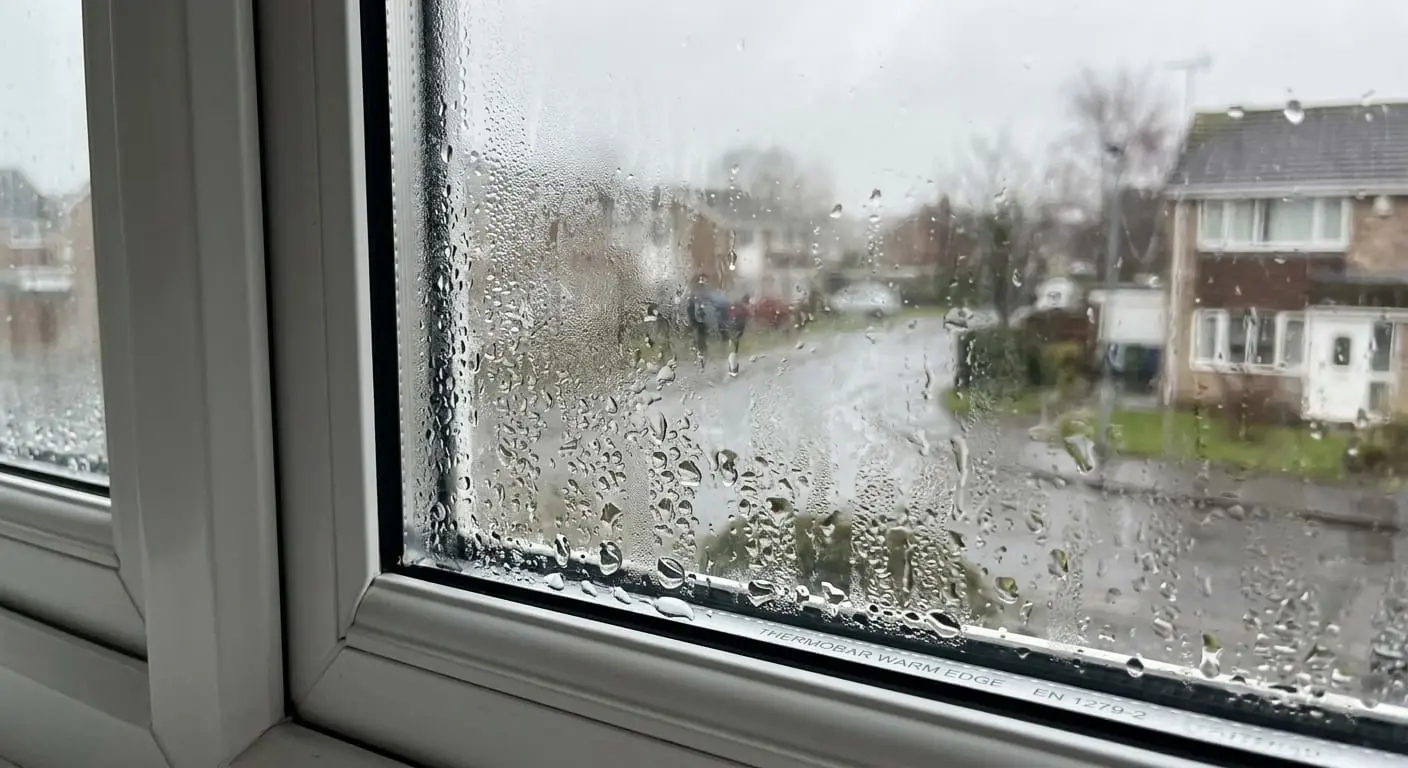
1. Condensation Inside the Double Glazing
When condensation forms between the two panes of glass, the hermetic seal has completely failed. Surface condensation on the inside of the room is normal, but moisture trapped in the cavity means the insulating gas has escaped.
In my decade as a window fitter managing installations across the UK, this is the number one issue I see. Once the argon gas escapes, the unit’s U-value plummets, and the glass provides almost zero insulation. A blown seal is a definitive indicator that your window replacement time has arrived.
2. Persistent Draughts and Cold Spots
Feeling a breeze when the sash is closed means the friction stay hinges have dropped or the rubber gaskets have completely perished.
A common customer mistake is attempting to fix this by jamming draught excluder tape into the frame. This pushes the sash further out of alignment and puts immense strain on the locking mechanism. Upgrading to modern UPVC Windows instantly eliminates these cold spots. The resulting energy savings from new windows often offset the initial investment over a few short years.
3. Visible Frame Damage and Warping
Sunlight and moisture cause cheap older plastics to discolour, whilst traditional timber frames will rot or warp out of square if not maintained annually.
If you have a 70mm frame profile that has bowed in the middle, the sash will no longer compress against the weather seals. Deciding on the best window material for UK homes depends on your property style, but modern aluminium windows are inherently rigid and will never warp, even in direct summer sunlight, making them a superb long-term investment.
4. Stiff Hinges and Failing Multi-Point Locks
If you have to force your handles or slam the sash to engage the lock, the internal mechanism is failing. A secure window should close and lock smoothly with minimal effort.
From my firsthand experience on site, failing shoot-bolt mechanisms are a major security risk. Most modern casement windows we install feature high-security, multi-point locking systems that secure the sash at four different points. If your current locks are seizing, your window replacement time is now, before the window jams permanently shut.
5. Increased Noise Pollution
Single glazing or degraded double glazing allows traffic and neighbourhood noise to easily penetrate your flat or house.
If you live on a busy road and can hear every passing car as if the window were open, your acoustic insulation has failed. We often install acoustic laminated glass in urban areas, which can drop exterior decibel levels by up to 40dB. If noise is disrupting your sleep, do not delay your window replacement time.
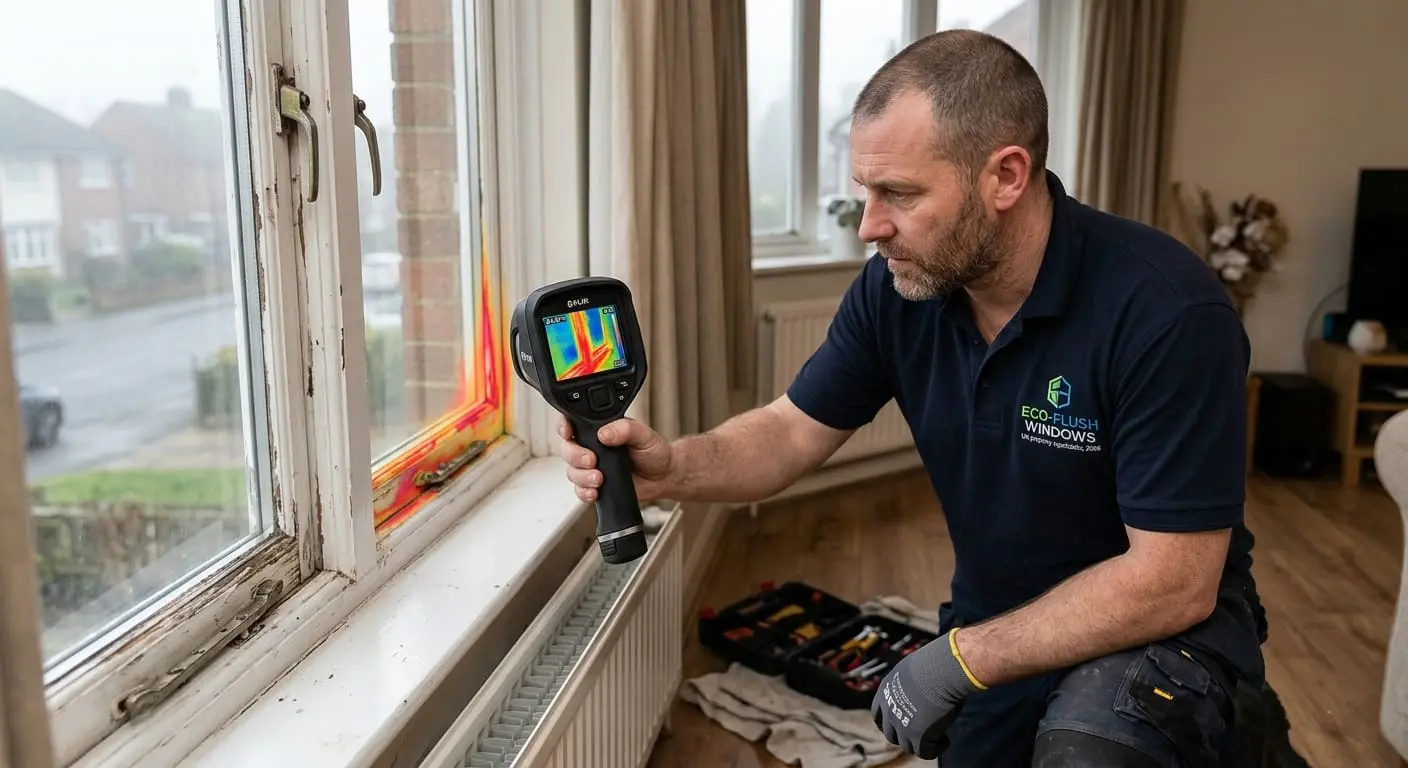
6. Skyrocketing Heating Bills
If your boiler is working overtime but the house remains cold, your old frames are leaking expensive heat directly into the atmosphere.
Roughly 70% of our customers replace windows primarily due to draughts and rising energy bills. Most modern double-glazed units we install achieve U-values around 1.2 W/m²K, which is a massive, noticeable upgrade from older 1990s units that often sit around 2.8 W/m²K.
7. Leaks and Water Ingress on Sills
Water pooling inside your home on the internal window board means the external drainage channels are blocked, or the frame’s welded joints have snapped.
Ignoring water ingress is the most costly mistake a homeowner can make. It quickly leads to blown plaster, black mould, and structural dampness in your brickwork. If water is breaching the frame, your window replacement time is critical and requires immediate action by an expert fitting team.
Eliminating Draughts in Essex
Last month, we worked with a homeowner in Essex who was struggling with severe cold draughts in their 1980s detached house. They had tried taping the gaps, but the old timber frames had warped beyond repair.
They reached out to Lux Glazing windows and doors for advice. We removed the rotten timber and installed flush sash uPVC profiles. Not only did this completely eradicate the draughts, but the property retained its traditional aesthetic while benefiting from top-tier modern thermal efficiency.
Why We Offer Better Value?
We guarantee rapid, precision fitting without the typical 8-week industry wait times. Because we operate a direct-sourcing model, we bypass the middleman entirely.
We do not inflate average window replacement prices with expensive high street showroom rents. Instead, we maintain a focused product range and an incredibly efficient installation process. This means our fitting teams deliver premium quality at highly competitive rates, directly to your door.
Cost and Performance Comparison
To help you budget effectively for your upcoming renovation, here is a quick breakdown of what to expect when replacing your frames.
| Material Type | Thermal Efficiency (U-Value) | Average Lifespan | Price Positioning |
| Standard uPVC | 1.2 W/m²K | 20 – 25 Years | Most Affordable |
| Flush Sash uPVC | 1.2 W/m²K | 20 – 25 Years | Mid-Range |
| Aluminium | 1.3 W/m²K | 40+ Years | Premium |
Stop enduring a cold, draughty home. Get a quick quote today and check prices for your home in minutes using our online tool.
Frequently Asked Questions (FAQ)
How long do new windows last in the UK? High-quality uPVC windows typically last between 20 and 25 years before showing signs of degradation. Premium powder-coated aluminium frames can easily last over 40 years with minimal maintenance.
Does condensation on the outside of the glass mean the window is broken? No. External condensation is actually a sign that your new double glazing is working perfectly. It proves the highly efficient low-E glass is preventing heat from escaping your home and warming the outer pane.
Can you just replace the blown glass without changing the frame? Yes, if your uPVC or aluminium frames are still structurally sound, we can simply replace the sealed glass unit (the DGU). However, if the hinges or locks are also failing, a full frame replacement is more cost-effective.
What is the most secure window style? Modern casement windows fitted with shoot-bolt multi-point locking systems and internal beading are incredibly secure. Internal beading prevents intruders from removing the glass from the outside. For more details, consult our choosing new windows UK guide.