uPVC Windows
uPVC windows are one of the best window choices for UK homes because they offer:
- Excellent thermal insulation
- Lower energy bills
- High security
- Minimal maintenance
- Long-lasting durability
- Modern and traditional styles
Most modern double-glazed uPVC windows we install achieve U-values between 1.2–1.4 W/m²K, which is a major improvement compared to older timber or outdated aluminium frames commonly found across UK properties.
For most homeowners:
- uPVC = best for affordability and insulation
- Aluminium = best for slim modern aesthetics
From our recent installations across London and Essex, anthracite grey uPVC windows remain one of the most requested options for contemporary homes, whilst flush casement styles continue to grow in popularity for traditional properties.
At Lux Glazing, we supply and install high-quality uPVC windows designed for British weather conditions, modern energy standards, and long-term reliability.
Why Homeowners Choose uPVC Windows
Modern uPVC windows have become one of the most popular replacement window options in the UK because they provide a strong balance between:
- Performance
- Cost
- Security
- Appearance
- Energy efficiency
Unlike older timber windows, modern uPVC systems resist:
- Rot
- Warping
- Moisture damage
- Corrosion
- Fading
This makes them ideal for long-term use with very little maintenance required.
Energy Efficient uPVC Windows
One of the main reasons homeowners replace old windows is rising heating costs.
Older window systems often allow:
- Cold draughts
- Heat loss
- Condensation
- Poor insulation
Modern uPVC windows use advanced thermal technology to improve indoor comfort throughout the year.
Modern Thermal Features Include
- Multi-chamber insulated frames
- Low-E glass coatings
- Argon gas-filled glazing units
- Warm edge spacer bars
- High-performance weather seals
Most A-rated double-glazed uPVC windows now achieve:
- U-values around 1.2–1.4 W/m²K
- Significant heat retention improvements
- Better EPC ratings
- Lower energy consumption
For homeowners upgrading from older timber or early-generation double glazing, the improvement in comfort is often noticeable immediately.
Real Homeowner Insight
Around 70% of customers who contact us are looking to replace ageing windows because of draughts, condensation, and rising energy bills.
Last month, we worked with a homeowner in Essex who had original timber windows installed over 25 years ago. During winter evenings, the property suffered from severe cold spots and constant condensation around the frames.
After installing modern anthracite grey flush uPVC windows with A-rated double glazing:
- Indoor temperatures became more stable
- Condensation reduced significantly
- External traffic noise decreased noticeably
- Heating efficiency improved
The homeowner specifically wanted the appearance of traditional timber windows without the maintenance issues, which is one of the reasons flush uPVC systems are becoming increasingly popular across the UK.
Different Models of uPVC Windows
Choosing the correct window style is important because different designs offer different benefits in terms of:
- Ventilation
- Appearance
- Thermal performance
- Cleaning access
- Property style
uPVC Casement Windows
Casement windows remain the most popular window style in the UK.
They are hinged at the side or top and open outward for excellent airflow and practical everyday use.
Benefits of Casement Windows
- Excellent energy efficiency
- Strong weather sealing
- Affordable pricing
- High security
- Suitable for modern and traditional homes
Modern casement systems also use slimmer frame profiles to maximise natural light whilst maintaining excellent insulation performance.
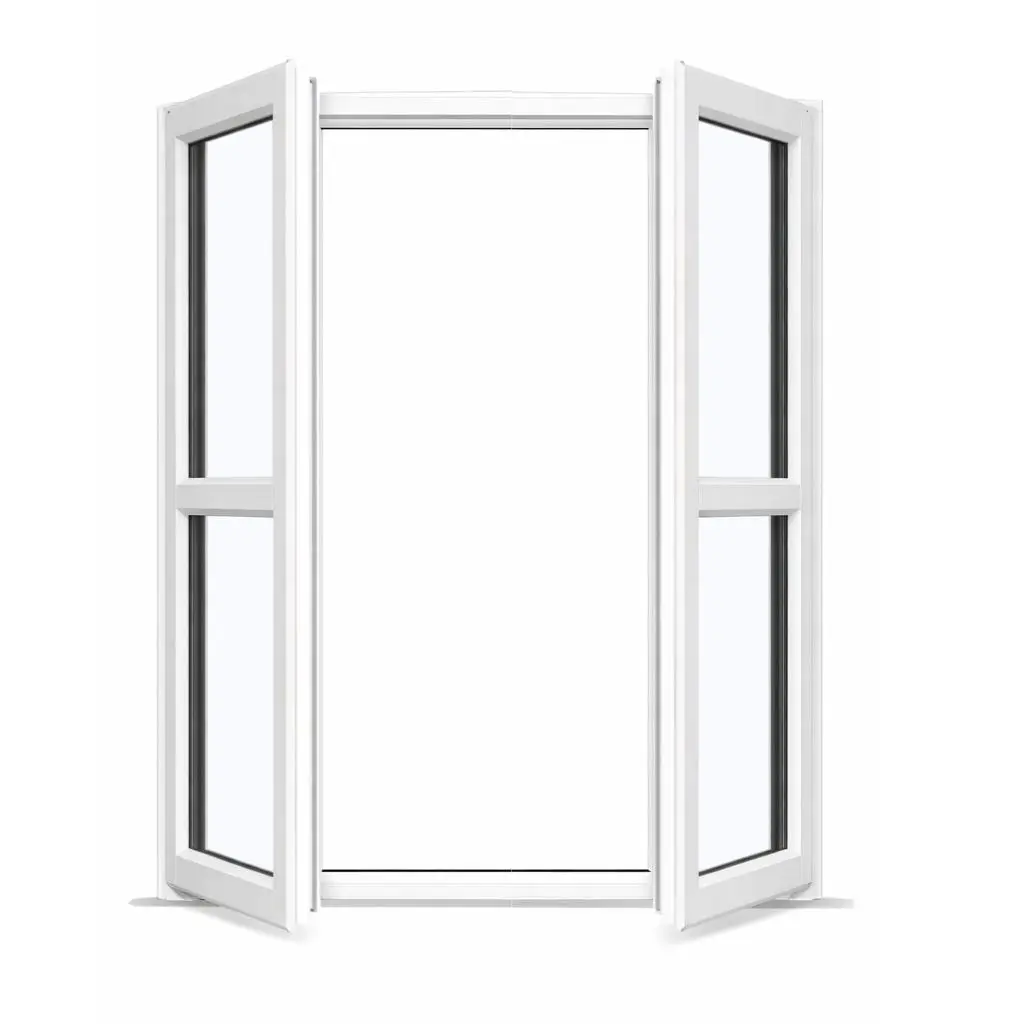
Our bespoke UPVC casement windows are available in a wide range of colours, finishes, and glazing options.
Single Casement Style 8
£167.00Double Casement French Style 13
£348.00Single uPVC Flush Casement Window Style 7
£305.00Single uPVC Flush Casement Window style 3
£211.00uPVC Flush Casement Windows
Flush casement windows are designed so the opening sash sits level within the outer frame.
This creates a cleaner, flatter appearance inspired by traditional timber joinery.
Popular for:
- Heritage properties
- Georgian homes
- Country cottages
- Conservation areas
Modern UPVC flush casement windows combine traditional styling with modern insulation, security, and low-maintenance performance.
From our recent installations across London and Surrey, flush casement windows are especially popular among homeowners renovating older properties whilst wanting to maintain period character.
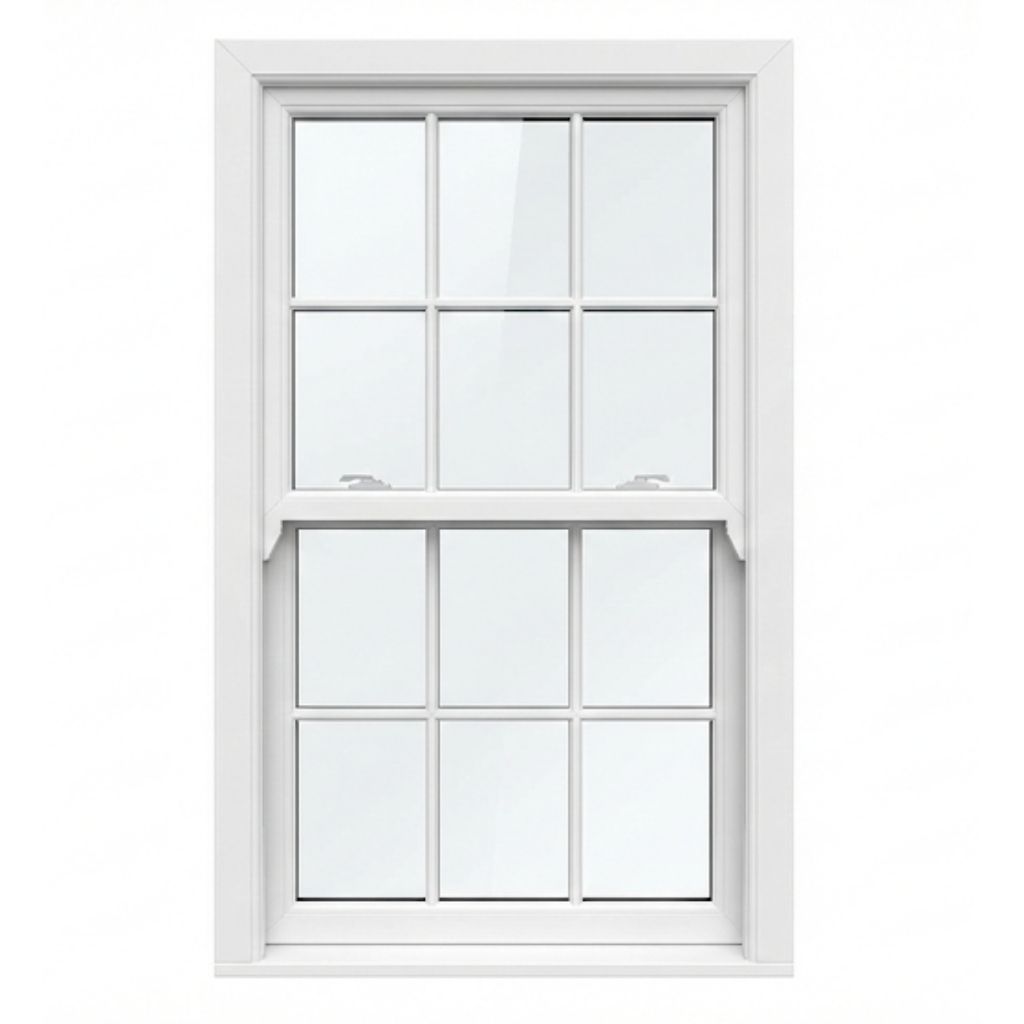
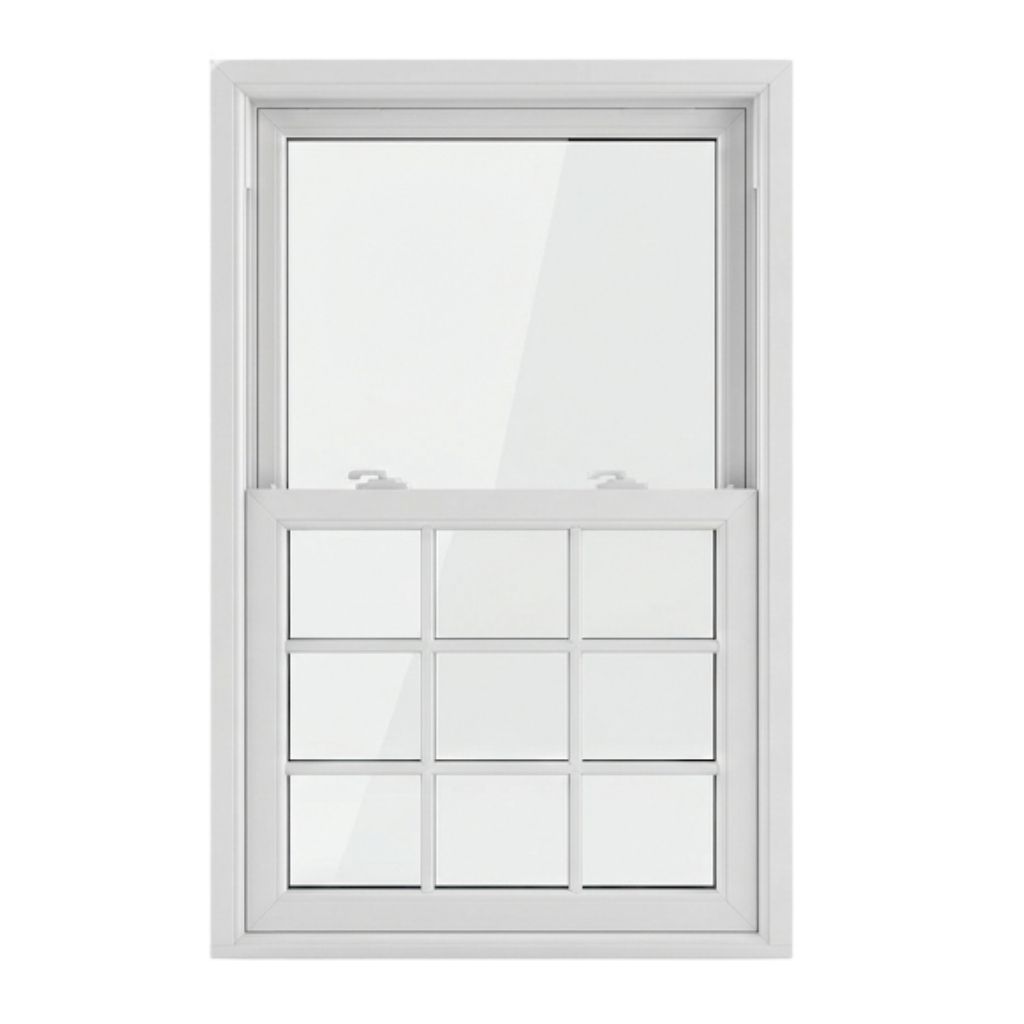
uPVC Sliding Sash Windows
Sliding sash windows replicate classic Georgian and Victorian timber sash designs whilst offering modern thermal efficiency and security.
Main Features
- Vertical sliding operation
- Tilt-in easy-clean systems
- Heritage appearance
- Improved insulation
- Smooth opening mechanisms
Our premium UPVc sliding sash windows are frequently installed in period properties where preserving the original aesthetic is important.
Sliding Sash Style 6
£565.00Sliding Sash Style 8
£524.00“Modern uPVC windows combine excellent insulation, stylish design, and long-lasting durability — making them one of the smartest investments for any UK home.”
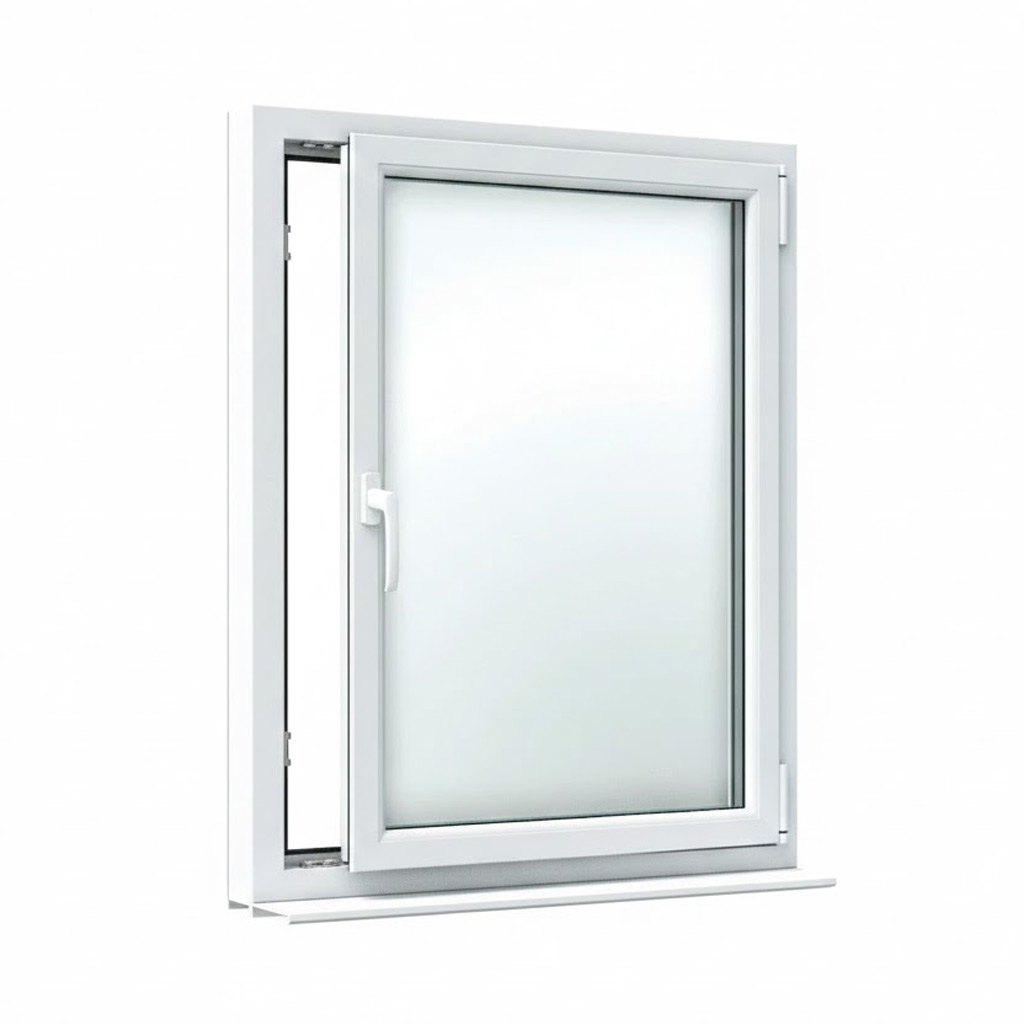
UPVC Single Tilt & Turn Style 4
£346.00UPVC Triple Tilt & Turn Style 2
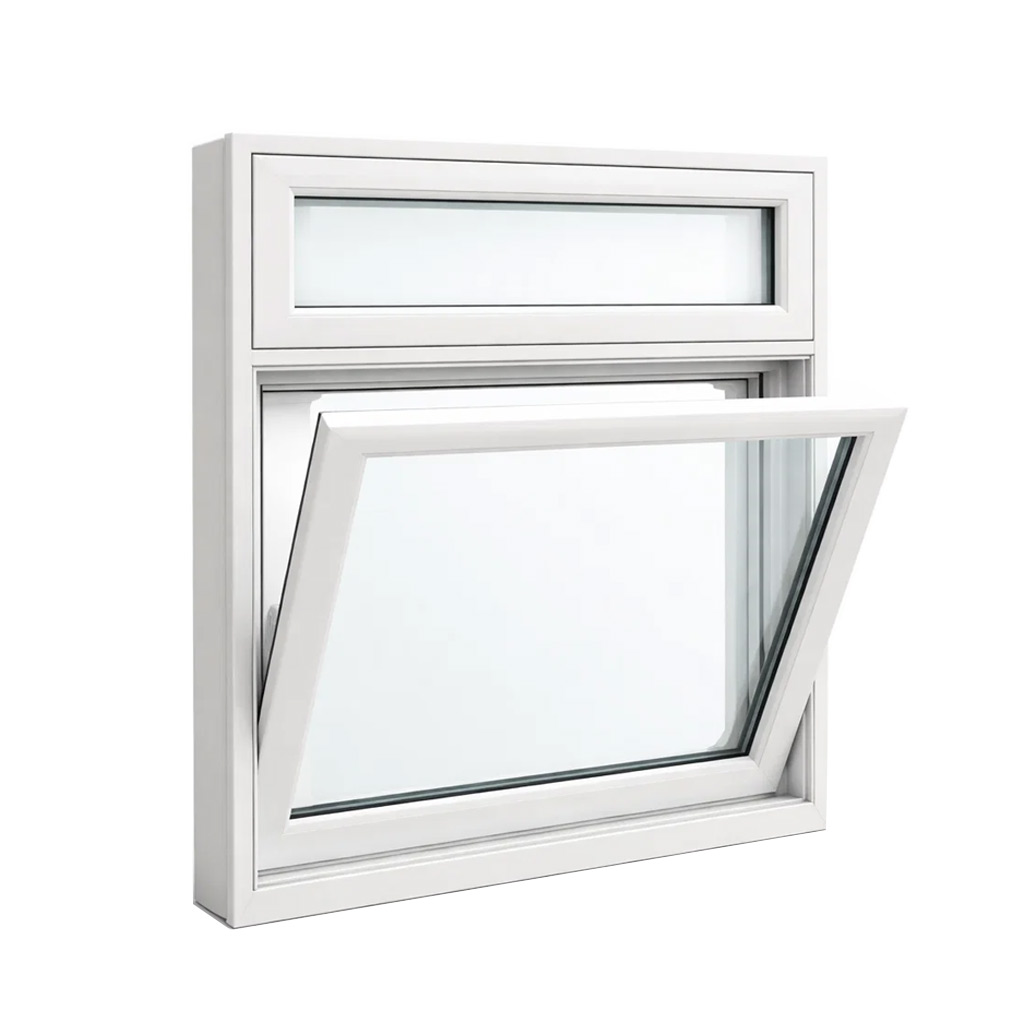
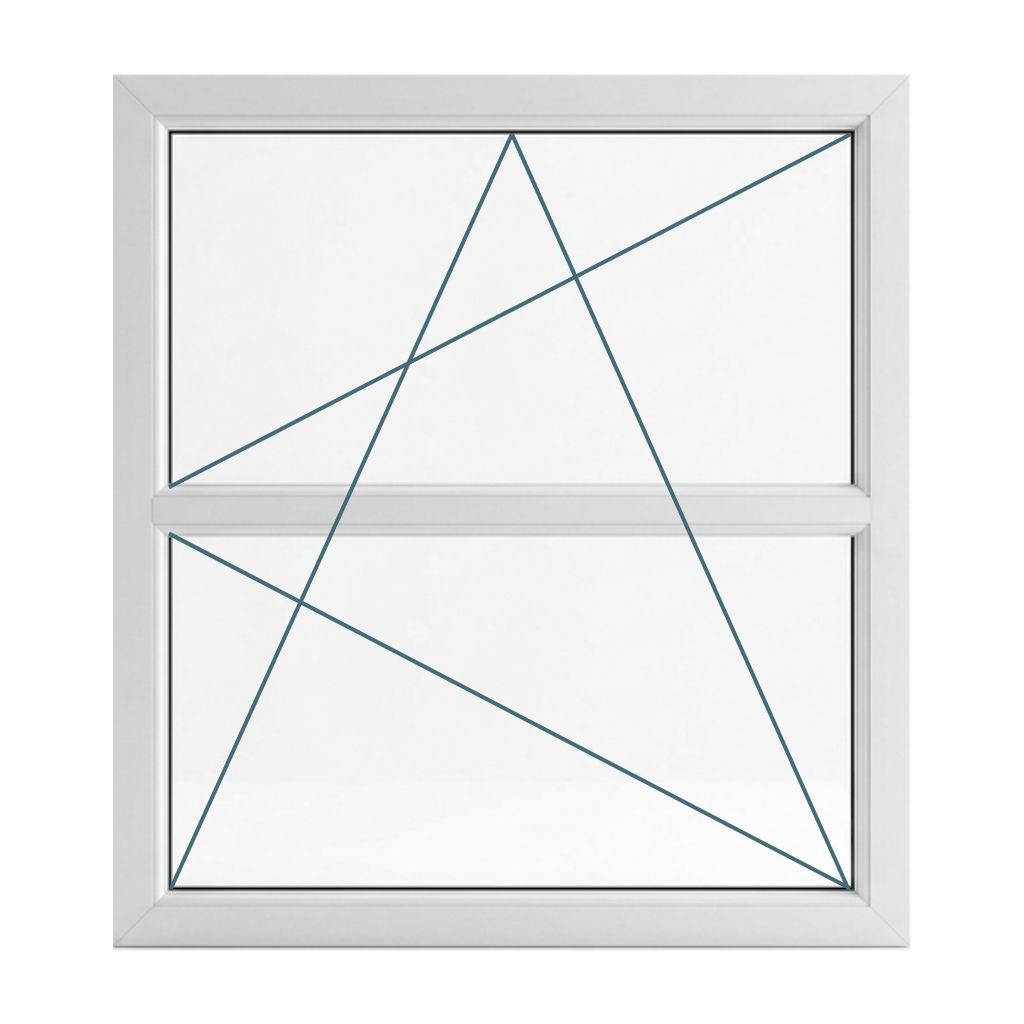
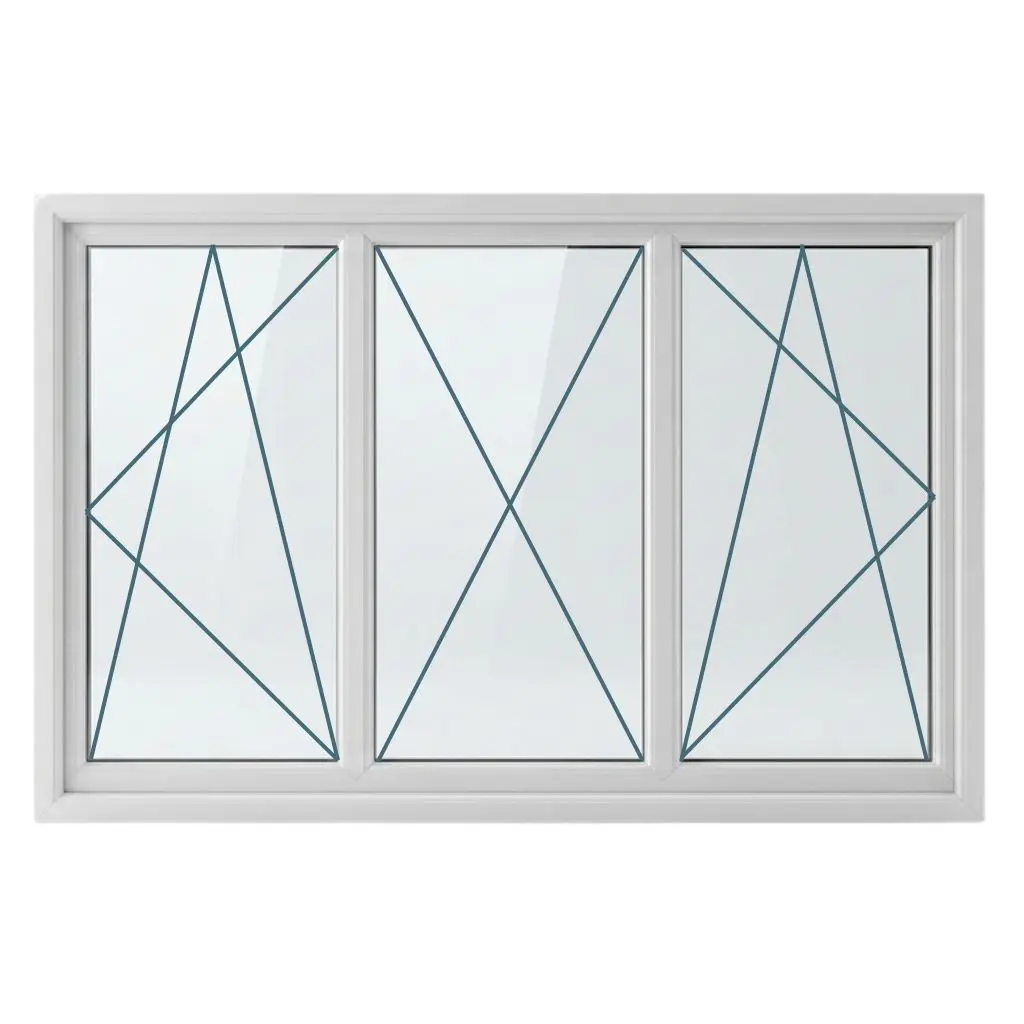
£599.00uPVC Tilt & Turn Windows
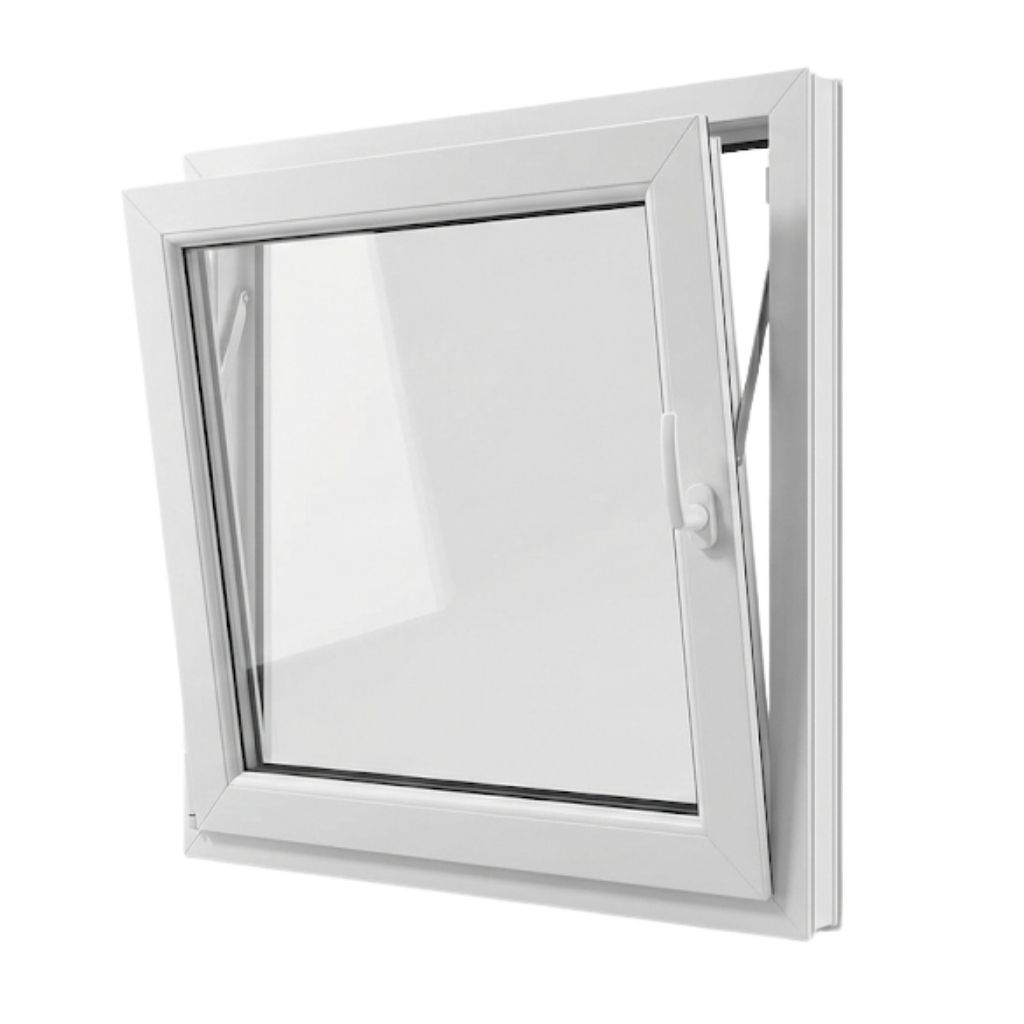
Tilt and turn windows are one of the most practical modern window systems available.
They offer:
- Tilt opening for secure ventilation
- Full inward opening for easy cleaning and emergency access
Advantages Include
- Easy internal cleaning
- Excellent airflow
- Modern appearance
- Increased safety
- Strong acoustic insulation
Our modern UPVC tilt-turn windows are commonly chosen for apartments, upper floors, and contemporary extensions.
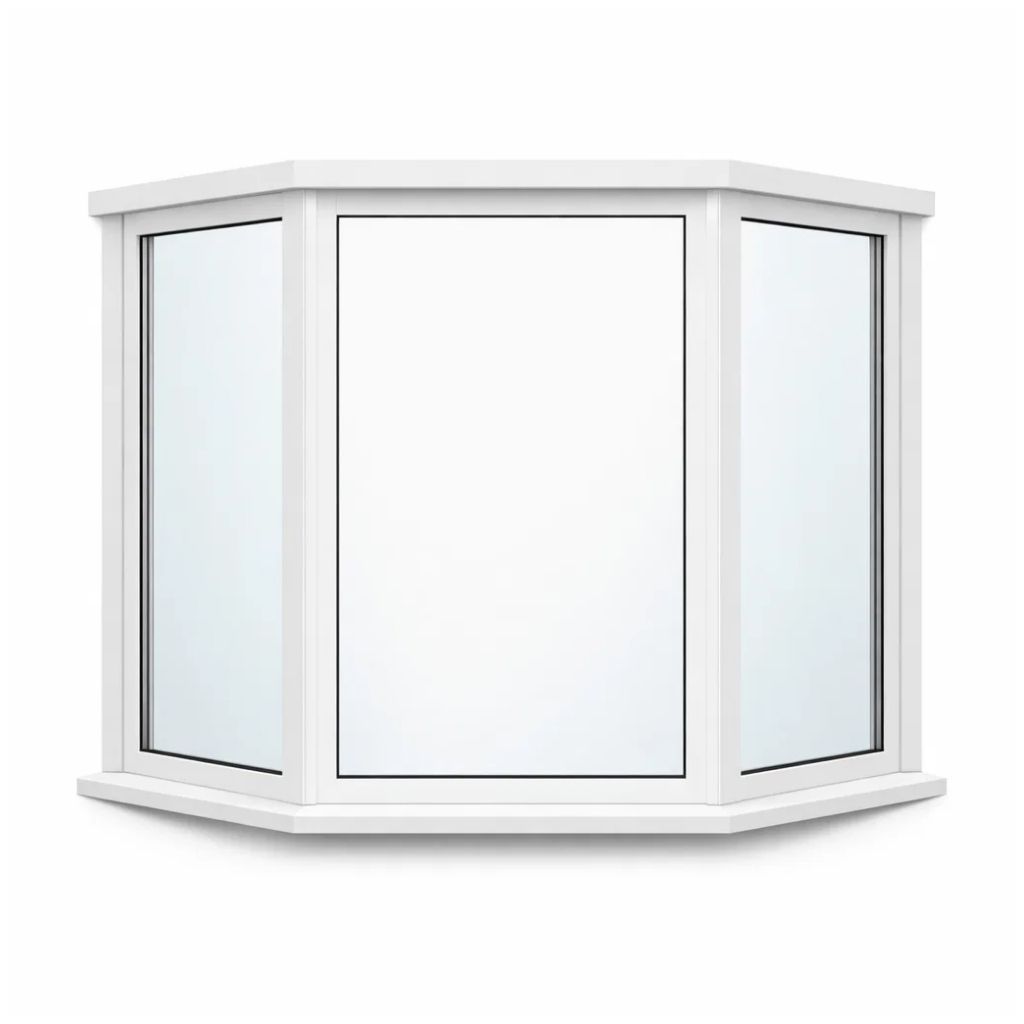
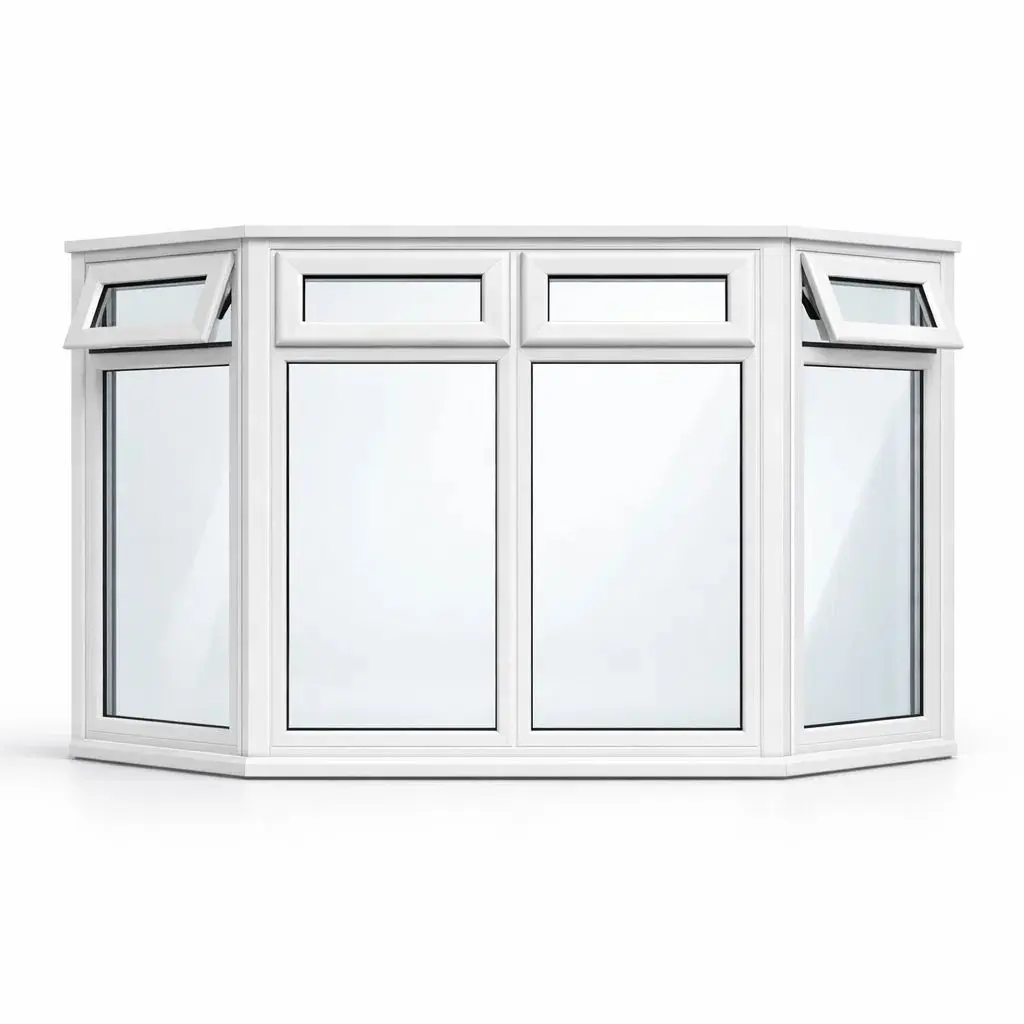
Bay & Bow uPVC Windows
Bay and bow windows project outward from the property, increasing natural light and internal space.
Benefits Include
- Wider external views
- Increased daylight
- More interior space
- Improved kerb appeal
Our bespoke UPVc bay bow window systems are designed for both traditional and modern British properties.
Bay Window Style 2
£545.00Bay Window Style 6
£825.00Popular uPVC Window Colours
White remains the most common uPVC window colour in the UK, but modern homeowners increasingly choose bespoke finishes such as anthracite grey, black, Chartwell green, and woodgrain effects to complement contemporary and traditional property designs.
White uPVC Windows
The classic option:
- Bright appearance
- Timeless style
- Works with all property types
Anthracite Grey uPVC Windows
Anthracite grey has become one of the most requested colours in recent years.
Why homeowners choose grey:
- Contemporary appearance
- Modern kerb appeal
- Works well with render and brickwork
- Complements modern extensions
From our recent installations across London, anthracite grey remains the most popular option for modern renovation projects.
Black uPVC Windows
Ideal for:
- Contemporary architecture
- Industrial-inspired designs
- Minimalist properties
Woodgrain uPVC Finishes
Wood-effect finishes replicate traditional timber whilst retaining all the practical advantages of uPVC.
Popular finishes include:
- Golden oak
- Rosewood
- Walnut
- Irish oak
uPVC Window Energy Ratings by Window Style
Different uPVC window styles can achieve slightly different energy performance levels depending on:
- Frame construction
- Glazing specification
- Seal quality
- Opening mechanism
- Glass thickness
Most modern systems now achieve A-rated or A+ performance, whilst premium triple-glazed systems can achieve A++ ratings.
|
Energy Rating |
Performance |
Typical U-Value |
Best For |
|---|---|---|---|
|
A++ |
Outstanding |
0.8–1.0 W/m²K |
Ultra-efficient homes |
|
A+ |
Excellent |
1.0–1.2 W/m²K |
Premium installations |
|
A |
Very Good |
1.2–1.4 W/m²K |
Most UK homes |
|
B |
Good |
1.4–1.6 W/m²K |
Budget upgrades |
|
C |
Standard |
Above 1.6 W/m²K |
Older glazing systems |
uPVC Casement Windows – Energy Performance
Modern casement windows remain one of the most energy-efficient window designs because their compression seals create a very tight closure against the frame.
Typical Features:
- Multi-point locking systems
- Double or triple glazing
- Multi-chamber insulated profiles
- Warm edge spacer bars
Typical Energy Rating:
A to A++
uPVC Flush Windows – Energy Performance
Flush casement systems combine traditional aesthetics with modern thermal insulation technology.
Modern flush systems now achieve much better insulation than older timber flush windows commonly found in British homes.
These are especially popular for:
- Conservation areas
- Heritage renovations
- Country cottages
Typical Energy Rating:
A to A+
uPVC Sash Windows – Energy Performance
Traditional timber sash windows are often associated with draughts and poor insulation. Modern uPVC sash windows solve this issue using:
- Improved weather seals
- Double glazing
- Multi-chamber profiles
- Modern locking systems
Typical Energy Rating:
A to A+
uPVC Tilt & Turn Windows – Energy Performance
Tilt and turn windows are among the most thermally efficient opening systems available because they create an exceptionally airtight seal when closed.
They are frequently used in:
- Contemporary homes
- Apartments
- High-performance renovations
Typical Energy Rating:
A+ to A++
These systems are particularly effective for:
- Heat retention
- Noise reduction
- Ventilation control
Compare uPVC Window Energy Ratings
|
uPVC Window Style |
Typical Energy Rating |
Thermal Performance |
Best For |
|---|---|---|---|
|
uPVC Casement |
A to A++ |
Excellent insulation and weather sealing |
Most UK homes |
|
uPVC Flush |
A to A+ |
Strong thermal efficiency with heritage styling |
Traditional properties |
|
uPVC Sash |
A to A+ |
Improved insulation compared to timber sash windows |
Period homes |
|
uPVC Tilt & Turn Windows |
A+ to A++ |
Outstanding airtightness and thermal performance |
Modern homes & apartments |
Thermal Insulating Materials Used in Modern uPVC Windows
Modern window systems rely on multiple insulation technologies to improve energy efficiency.
Multi-Chamber Frames
Most premium uPVC profiles contain internal chambers that trap air and reduce thermal transfer.
Double & Triple Glazing
Double glazing remains the UK standard, whilst triple glazing is increasingly popular for:
- Better insulation
- Improved acoustic performance
- Reduced heat loss
Argon Gas-Filled Units
Argon gas between glass panes improves insulation more effectively than standard air-filled glazing.
Low-E Glass
Low-emissivity coatings reflect heat back into the room whilst still allowing natural daylight inside.
Sound Reduction & Noise Insulation
Noise reduction is one of the biggest improvements homeowners notice after replacing old windows.
Modern uPVC windows help reduce:
- Road traffic noise
- Wind noise
- Aircraft noise
Street disturbance
Acoustic Improvements Come From
- Multi-chamber frame systems
- Acoustic glazing
- Laminated glass
- Tight weather seals
- Thicker glazing units
For properties near busy roads, many homeowners now choose acoustic glass packages to improve indoor comfort.
Sound Reduction Performance of Modern uPVC Windows
Modern acoustic uPVC window systems can significantly reduce outside noise using insulated frames, acoustic glazing, and advanced weather seals.
|
Sound Reduction Class |
Noise Reduction in Decibels (dB) |
Recommended Living Area |
|---|---|---|
|
Standard Double Glazing |
28–32 dB |
Quiet residential areas |
|
Enhanced Acoustic Glazing |
33–36 dB |
Suburban homes near traffic |
|
High Acoustic Performance |
37–40 dB |
Busy roads and urban locations |
|
Premium Acoustic Glass Systems |
41–45 dB |
Airports, train lines, city centres |
From our recent installations across London, homeowners living near busy roads often choose acoustic glass upgrades alongside flush or casement uPVC systems to noticeably improve indoor comfort and sleep quality
Design, Shape & Appearance
Modern uPVC windows are now available in a huge variety of styles and frame designs.
Popular Styles Include:
- Casement windows
- Flush windows
- Sliding sash windows
- Tilt & turn windows
- Bay windows
- Bow windows
Bespoke Shapes Include:
- Arched windows
- Circular windows
- Fixed picture windows
- Angled frames
This flexibility allows homeowners to match both traditional and modern architecture.
Quality of uPVC Windows
Not all uPVC windows are manufactured to the same standard.
Lower-quality systems may suffer from:
- Weak locks
- Poor insulation
- Frame discolouration
- Draughts
- Warping over time
High-Quality uPVC Windows Should Include:
- Reinforced frames
- Multi-point locking systems
- High-performance glazing
- Durable weather seals
- Strong hinge systems
- Reliable warranties
At Lux Glazing, we focus on supplying high-performance window systems designed for long-term durability and modern energy standards.
“Well-designed uPVC windows bring together warmth, style, and efficiency — helping your home feel quieter, brighter, and more comfortable every day.”
Is There a Difference Between uPVC and PVC?
Yes — there is a major difference.
PVC
is a flexible plastic material used in products such as:
- Pipes
- Cable insulation
- Packaging
uPVC
uPVC stands for Unplasticised Polyvinyl Chloride.
Unlike standard PVC, it contains no added plasticisers, making it:
- Stronger
- More rigid
- More weather-resistant
- Better suited for windows and doors
This is why nearly all modern replacement windows use uPVC rather than standard PVC.
Can Modern uPVC Windows Be Fitted to Existing Wooden Frames?
In some cases, modern uPVC windows can be installed into existing timber subframes if the wood remains structurally sound.
However, full frame replacement is usually recommended because it provides:
- Better insulation
- Improved structural integrity
- Longer lifespan
- Better weather protection
- Cleaner appearance
A professional survey is the best way to determine the right installation method for your property.
How Secure Are uPVC Windows?
Modern uPVC windows are highly secure when properly manufactured and installed.
Most premium systems include:
- Multi-point locking systems
- Internal glazing beads
- Reinforced internal sections
- Toughened safety glass
- Key-locking handles
Many modern systems also comply with:
- PAS 24 standards
- UK building regulations
- Insurance security requirements
What Is the Difference Between uPVC and Aluminium Windows?
|
uPVC Windows |
Aluminium Windows |
|---|---|
|
Better thermal insulation |
Slimmer frame profiles |
For most UK homeowners:
- uPVC = best overall value
- Aluminium = best for premium modern aesthetics
Why Choose Lux Glazing?
Reliable Installation Timelines
We focus on:
- Efficient installations
- Clear communication
- Reliable scheduling
- Minimal disruption
Competitive Pricing Without Compromising Quality
Lux Glazing pricing remains competitive because we focus on:
- Streamlined installations
- Efficient supply chains
- Experienced fitting teams
- High-demand product systems
Rather than offering “cheap windows”, we focus on delivering strong long-term value.
Get a Fast Quote for uPVC Windows
Looking to upgrade your windows?
We can help with:
- Replacement uPVC windows
- Flush casement systems
- Sliding sash windows
- Bay window replacements
- Energy-efficient glazing
- Coloured uPVC frames
FAQ About uPVC Windows
High-quality uPVC windows typically last between 20–35 years depending on installation quality and weather exposure.
uPVC naturally offers better thermal insulation, whilst aluminium systems rely on thermal breaks to achieve similar performance.
Yes. Double and triple glazed uPVC windows can significantly reduce traffic and external noise, particularly when acoustic glazing is used.
Triple glazing can improve insulation and sound reduction, especially in colder or noisier areas, although high-quality double glazing is sufficient for many UK homes.
Usually slightly more expensive than standard white frames due to the specialist foil finish, but they remain one of the most popular modern options.
Yes. Energy-efficient replacement windows can improve:
- Kerb appeal
- EPC ratings
- Buyer appeal
- Overall comfort and efficiency