
Showing all 8 results
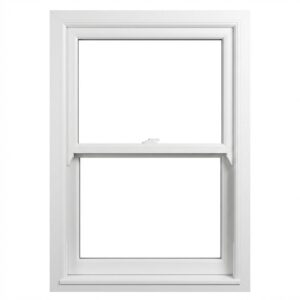
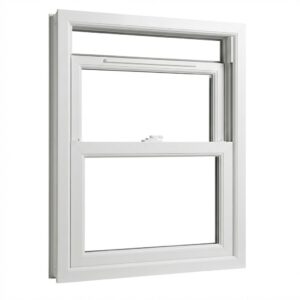
Sliding Sash Style 1
£484.00 / m²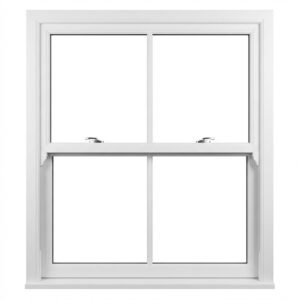
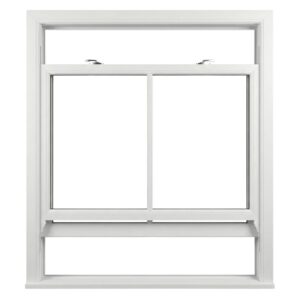
Sliding Sash Style 2
£514.00 / m²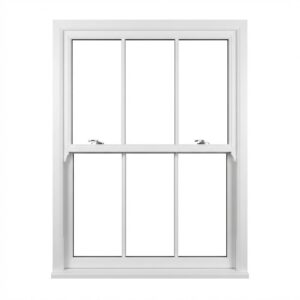
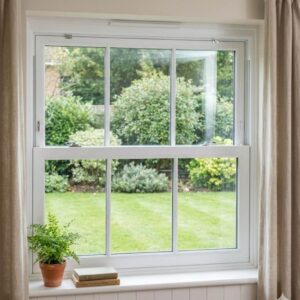
Sliding Sash Style 3
£544.00 / m²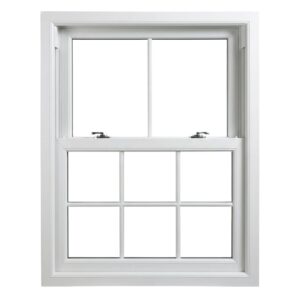
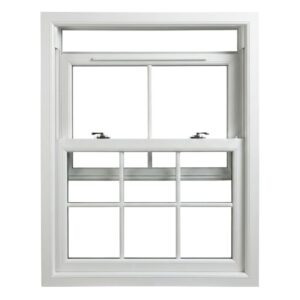
Sliding Sash Style 4
£640.00 / m²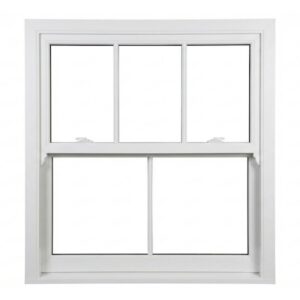

Sliding Sash Style 5
£529.00 / m²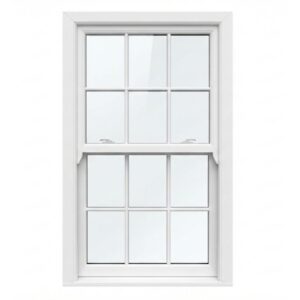

Sliding Sash Style 6
£564.00 / m²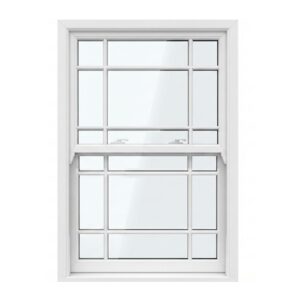
Sliding Sash Style 7
£565.00 / m²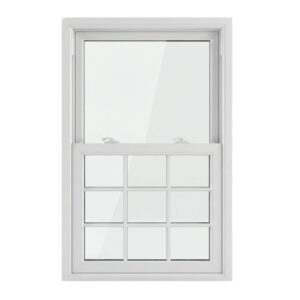
Sliding Sash Style 8
£524.00 / m²uPVC Sliding Sash Windows — Timeless Style Meets Modern Performance
Sliding sash windows have a certain calm to them. They don’t shout for attention, but they change how a house feels almost straight away. The proportions are taller, the lines are cleaner, and everything looks a bit more settled. That’s why people still want them, even hundreds of years after they first appeared.
uPVC sliding sash windows are really about keeping that familiar look but making it fit modern life. Most homeowners like the idea of traditional sash windows until they’ve lived with old timber ones. Then reality kicks in. Paintwork, draughts, swollen frames, sashes that never quite move when you want them to. uPVC exists largely to remove those problems without losing the character.
How do sliding sash windows actually work?
A sliding sash window opens vertically. Instead of pushing outwards, the sashes move up and down within the frame. One sits slightly in front of the other, which gives the window depth and that recognisable sash appearance.
That layered look matters more than people realise. When sash windows are made too flat, they stop looking like sash windows at all and start to feel like a modern imitation. A proper uPVC sliding sash window still has shadow lines, a visible meeting rail, and clear separation between the sashes, even when it’s fully closed.
Because the opening is vertical, this style works well in places where outward-opening windows would be awkward. Ground-floor rooms, garden-facing spaces, or areas close to paths are all good examples.
Why uPVC makes life easier
Timber sash windows can be beautiful, but they ask for a lot in return. They need attention. uPVC doesn’t. It doesn’t rot, it doesn’t swell, and it doesn’t need repainting every few years just to stay presentable.
For most people, that’s the deciding factor. Once the windows are installed, they just get on with their job. A wipe down now and then is usually enough. That’s especially appealing if the house has several sash windows or if access is difficult.
Well-designed uPVC sash windows don’t feel flimsy or plastic. The better ones still have weight and structure to them. They just remove the constant background maintenance that comes with traditional materials.
Where sliding sash windows feel most at home
There’s an obvious link between sash windows and period properties, and for good reason. Georgian, Victorian and Edwardian homes were designed around these proportions. The windows fit the buildings naturally.
But sliding sash windows aren’t limited to older homes. In newer houses, they often soften the look of the building. Compared to wide, side-hung casement windows, sash windows feel quieter and more balanced. They don’t dominate the elevation in the same way.
Inside, they suit rooms where you want light without visual clutter. Living rooms, bedrooms and dining spaces all benefit from the vertical emphasis and the way sash windows frame the outside view.
How they feel inside the room
One thing people often notice after installation is how the room feels slightly taller. That vertical layout draws the eye upward, especially in homes with decent ceiling height. It’s subtle, but it changes the atmosphere.
Light also enters the room in a softer way. Whether you choose clear panes or divided glazing, the window tends to feel balanced rather than harsh. In garden-facing rooms, this makes a big difference, especially during brighter parts of the day.
Day-to-day use
Modern uPVC sliding sash windows are straightforward to use. They don’t rely on old ropes and weights, and they don’t slam shut or drop unexpectedly. A good system moves smoothly and stays where you put it.
Ventilation is controlled rather than all or nothing. You can adjust the opening without committing to a fully open window, which is useful in everyday situations where you want fresh air but not a cold room.
Because the window opens within its own frame, it also avoids issues with furniture placement. Sofas, tables and curtains aren’t constantly in the way.
Comfort, warmth and noise
Performance matters just as much as appearance. Modern uPVC sliding sash windows are designed to keep heat inside and draughts out. In older homes, replacing original sash windows can make a noticeable difference to how comfortable rooms feel.
Noise reduction is another benefit people often mention after installation. A well-fitted window with proper glazing can noticeably cut down outside sound, which is especially welcome in built-up areas.
A sensible long-term option
uPVC sliding sash windows sit in a practical middle ground. They keep the look people want, but remove most of the problems that used to come with it. They suit a wide range of homes, work well in everyday living, and don’t demand attention once they’re in place.
For homeowners who want character without constant upkeep, sliding sash windows in uPVC are a choice that still makes sense years down the line.